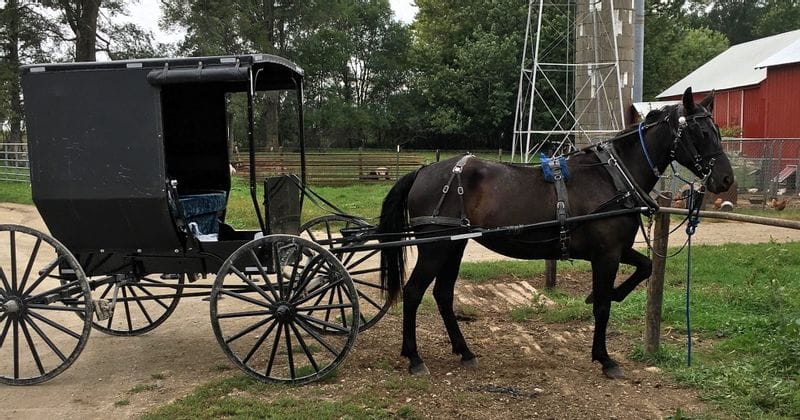
Southeast Minnesota’s Fillmore County is home to the largest Amish settlement in the state, offering visitors a unique opportunity to experience a way of life rooted in tradition, craftsmanship, and rural simplicity. Just outside Lanesboro, quiet country roads wind through rolling farmland where Amish families live and work much as their ancestors did generations ago.
The Amish community first settled in this part of Bluff Country in the 1970s, drawn by fertile farmland and the peaceful rural landscape of the Root River Valley. Today, visitors can explore the area through guided Amish tours, which provide respectful insight into Amish culture, traditions, and daily life.
These tours often include stops at Amish farms, bakeries, furniture workshops, and country stores, where visitors can purchase handmade goods and locally produced foods while learning about the customs that shape Amish life in southeast Minnesota.
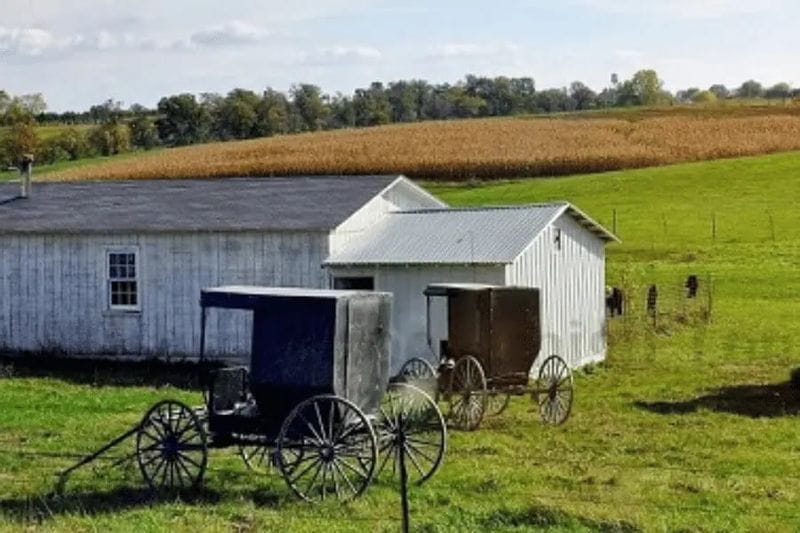
The countryside surrounding Lanesboro is home to a community of Old Order Amish, a conservative Amish tradition known for maintaining simple lifestyles centered on faith, family, and farming. Amish families first settled in Fillmore County in 1974, and today the rolling farmland between Lanesboro, Harmony, Canton, and Preston forms the largest Amish settlement in Minnesota. As you explore the scenic backroads of Bluff Country, you may see horse-drawn buggies traveling quiet country roads or discover roadside stands offering fresh produce, baked goods, and handcrafted items made by Amish families.
More info: Fillmore County Journal | Bluffscape Amish Tours | Amish Tours of Harmony
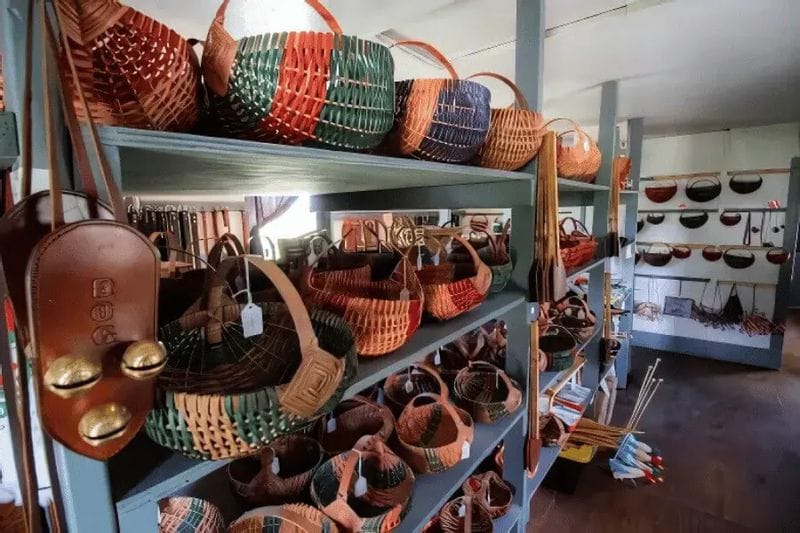
Visitors exploring the countryside around Lanesboro often discover Amish farm stands and small workshops offering a variety of handmade and homegrown goods.
Common items include:
These goods reflect the craftsmanship and attention to detail that Amish communities are known for throughout the Midwest.
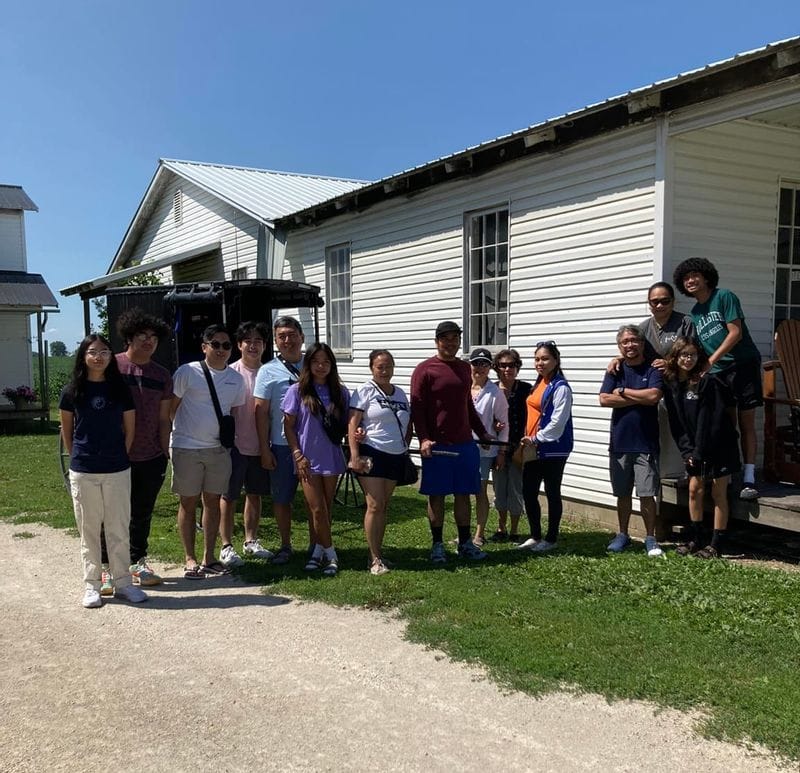
Visitors are welcome to experience aspects of Amish culture through local businesses, markets, and guided tours offered in the region. These experiences provide insight into the traditions, history, and agricultural life that shape the Amish community.
When visiting Amish country, a few simple courtesies help ensure respectful interactions:
In Amish culture, people outside the Amish community are often referred to as “English.” Visitors who approach Amish traditions with curiosity and respect help maintain a positive relationship between communities.

Horse-drawn buggies are a common sight on the rural roads surrounding Lanesboro. Drivers should slow down when approaching buggies and allow plenty of room when passing. Because some buggies may be difficult to see at dusk or at night, extra caution is encouraged when traveling country roads after dark.
Location
Fillmore County, southeast Minnesota
Settlement Established
1970s
Community Type
Old Order Amish
Significance
The Fillmore County Amish settlement is the largest in Minnesota and one of the most culturally distinctive communities in the Bluff Country region.
Nearby Towns
Harmony, Canton, Preston, Lanesboro
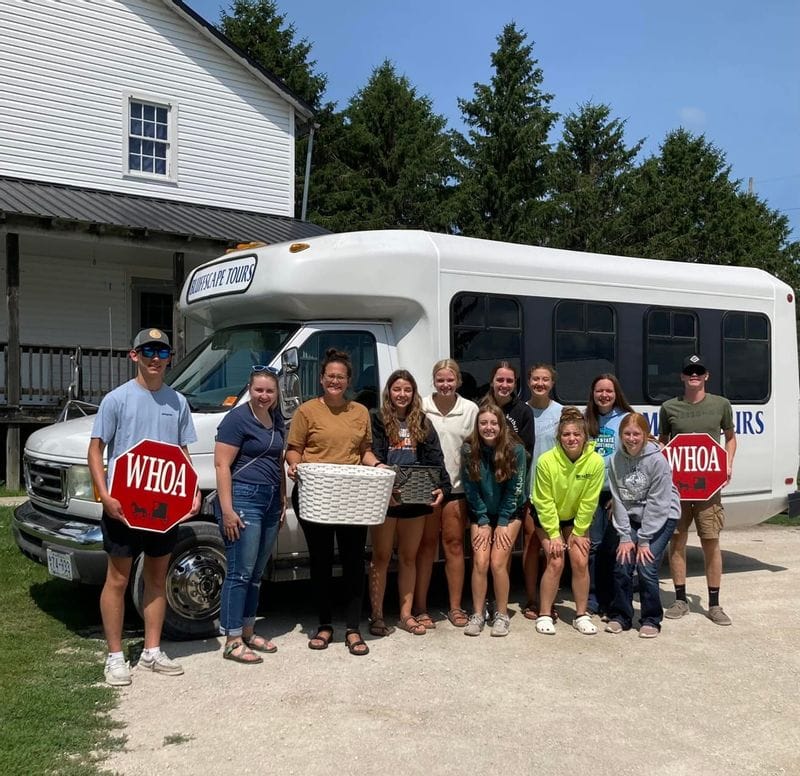
Based in Lanesboro, Bluffscape Amish Tours offers guided air-conditioned mini bus and step-on tours through the Amish countryside of Fillmore County. Led by knowledgeable local guides, these tours introduce visitors to Amish farms, businesses, and traditions while sharing stories about the history of the region’s Amish settlement. Guests often have opportunities to meet Amish families, explore workshops, and purchase handcrafted goods and baked items along the way.
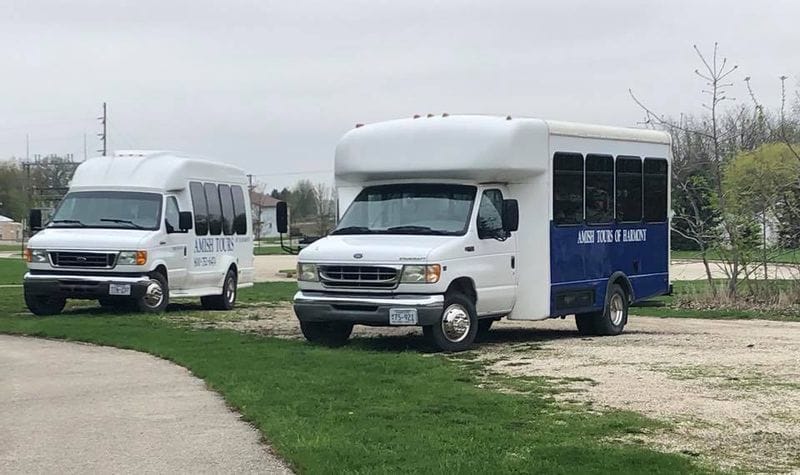
Located just south of Lanesboro in Harmony, Amish Tours of Harmony provides guided van and step-on tours through Minnesota’s largest Amish settlement. Their tours highlight Amish farms, craftsmanship, and rural traditions while explaining the history and culture of the community. Stops frequently include Amish bakeries, furniture shops, and farm stands where visitors can experience handmade goods and fresh local foods.
Where can you see Amish communities in Minnesota?
The largest Amish community in Minnesota is located in Fillmore County in the southeast part of the state, near the towns of Harmony, Preston, Canton, and Lanesboro.
Can visitors tour Amish farms in Minnesota?
Yes. Guided Amish tours offered in the Lanesboro and Harmony area provide respectful opportunities to visit Amish farms, workshops, and stores while learning about Amish culture and traditions.
When did the Amish settle in Fillmore County?
The Amish began settling in Fillmore County in the 1970s, drawn by the region’s fertile farmland and quiet rural setting.
What kinds of products do Amish businesses sell?
Visitors often find:
Many products are made using traditional Amish craftsmanship.
How should visitors behave around Amish communities?
Visitors should always respect Amish privacy and traditions. Photography of Amish people is prohibited, and guided tours are the best way to learn about Amish culture respectfully.